01 · The work
Discover the mechanical arts
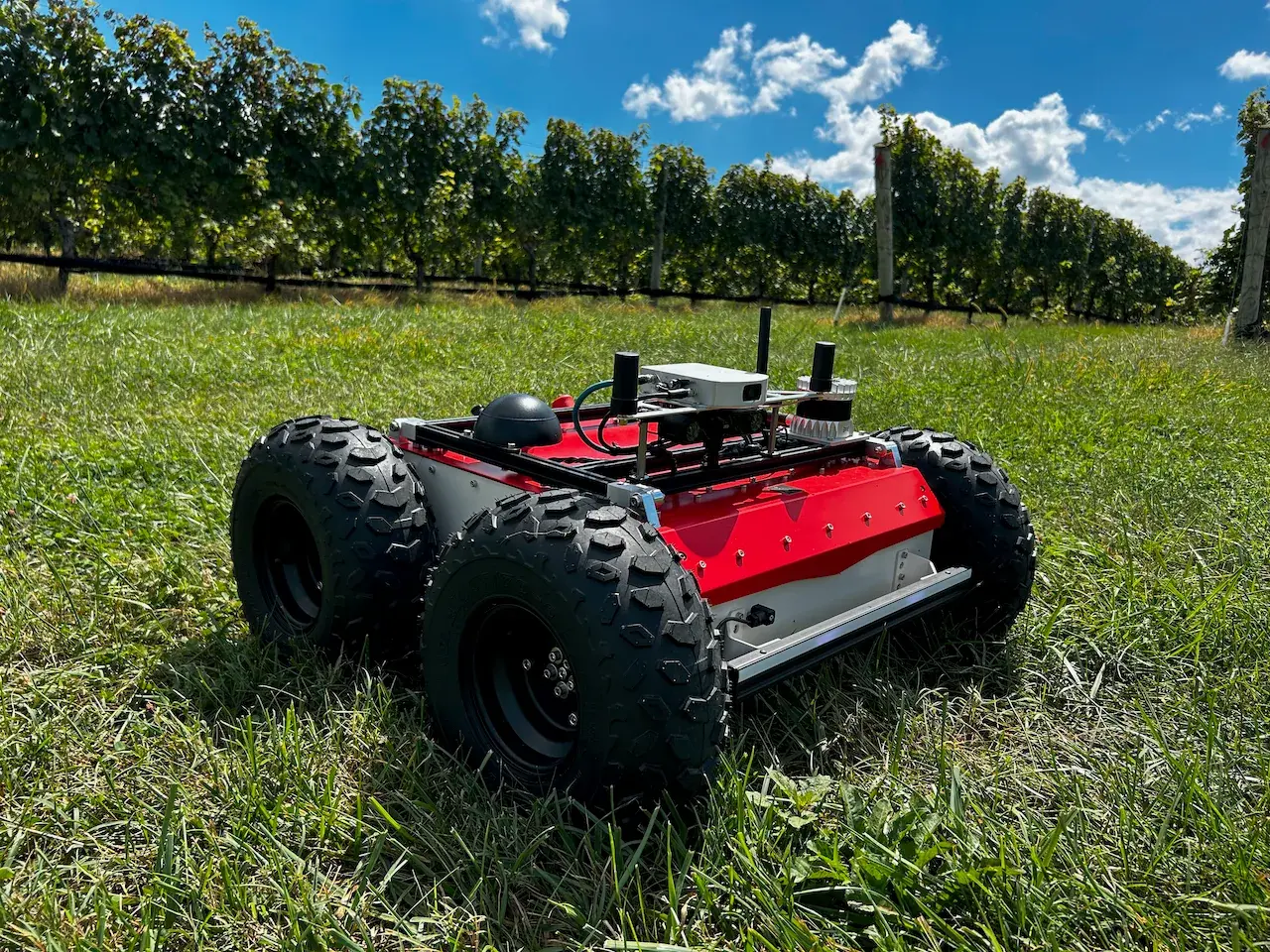
Robotics and mechatronics are among the best doors into the trades, because they open onto all of them at once — fabrication, electrical, mechanical, software. That combination is what a modern plant floor runs on. Students find out what they are good at by building something that either runs or doesn't.
Technical skill alone is not the point. Alongside daily practice, mentors work on discipline, perseverance, and attention to detail — the character of a craftsman, not just the competence of a technician.
02 · The training
Build a strong foundation
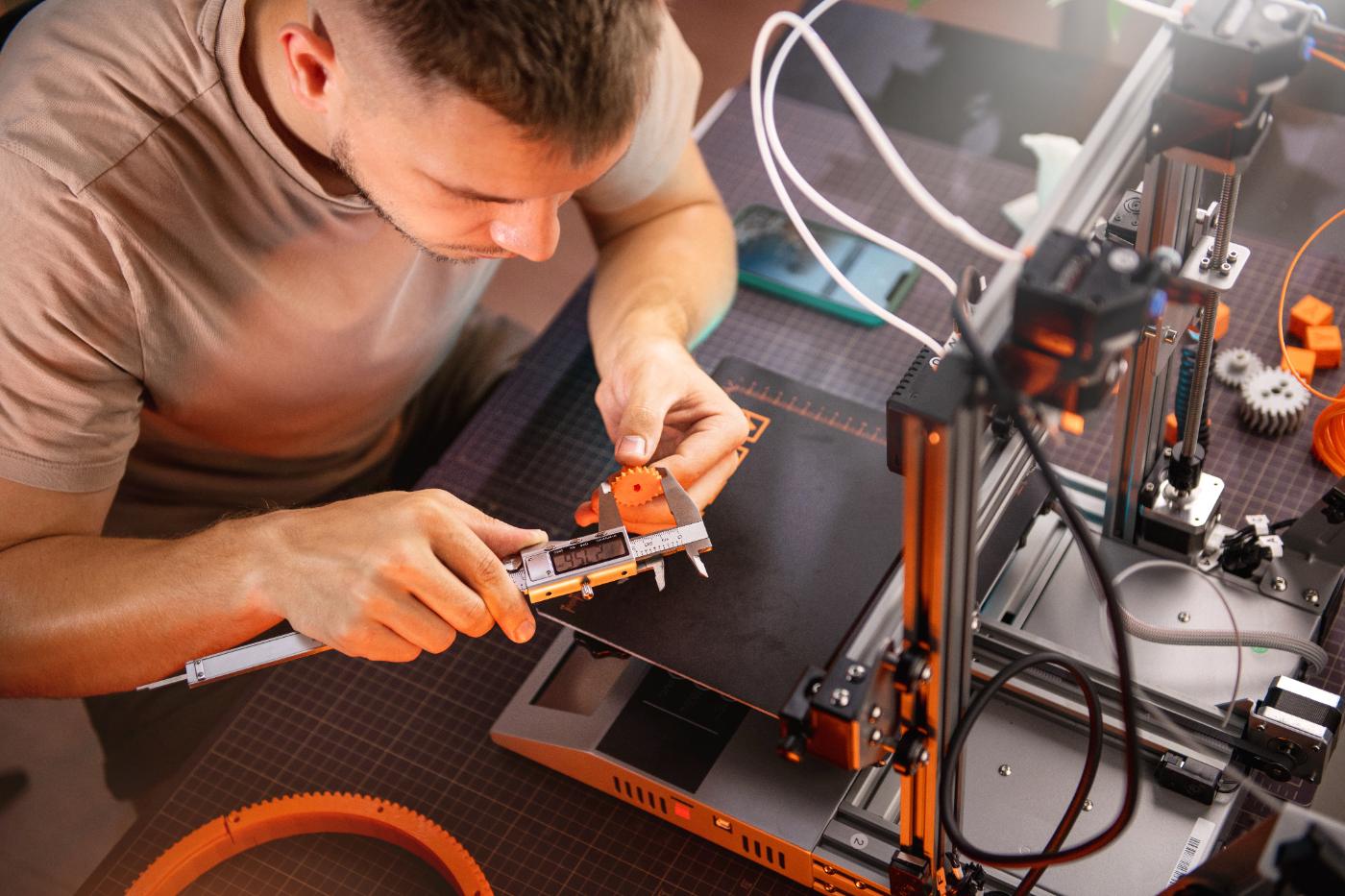
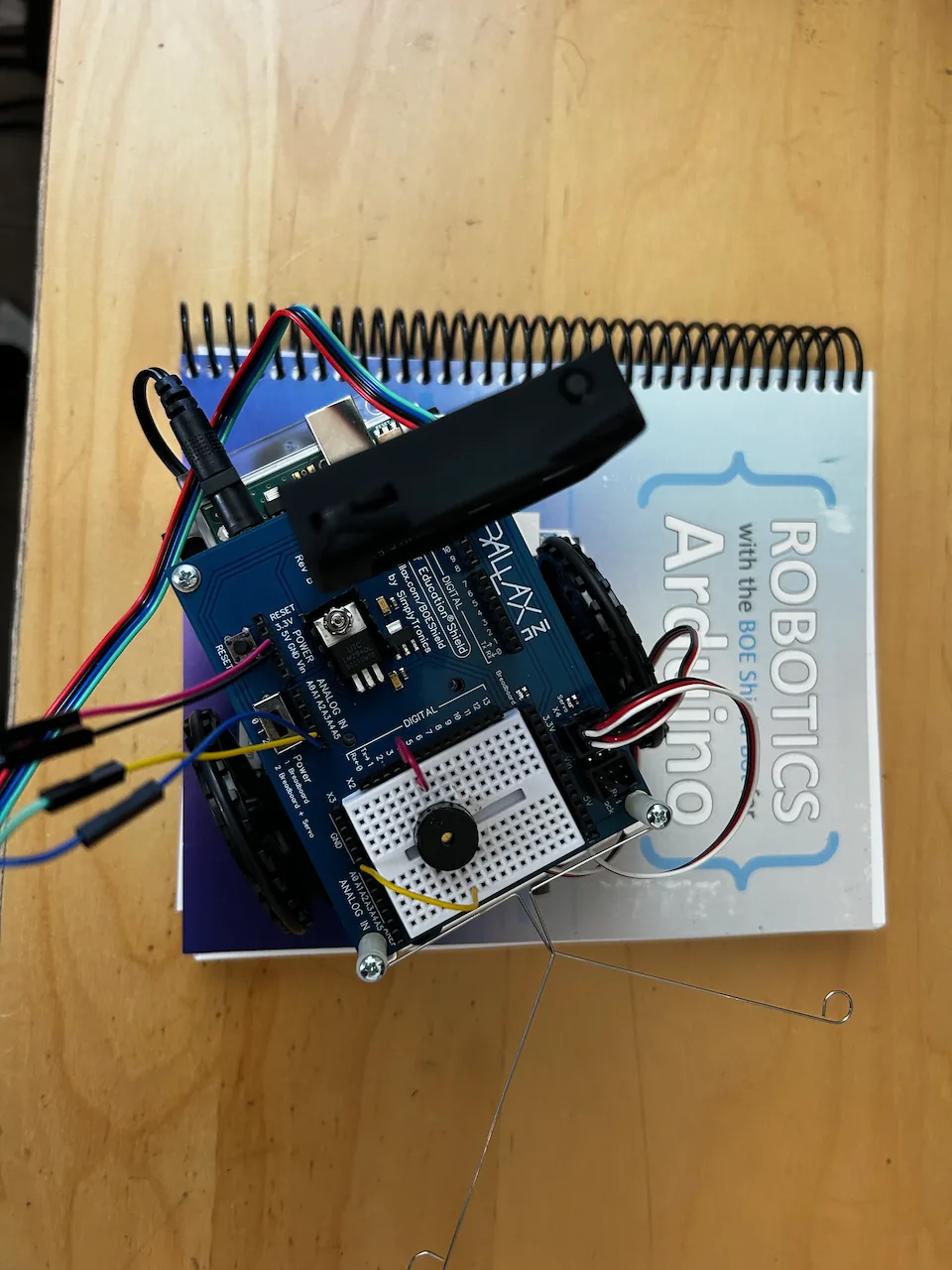
Students work through Carnegie Mellon's SMART Robotics Technician curriculum — five credentialed modules in Mechanical, Electrical, Fabrication, Software, and Robotics Integration — inside a seven-module year that opens with the fundamentals and ends with a capstone.
Each student is paired with a mentor who guides technical growth and the habits that separate good craftsmen from adequate ones: punctuality, initiative, accountability, care for the work. Credentials are earned module by module, endorsed by the ARM Institute and the Carnegie Mellon Robotics Academy, and build toward full SMART Certification.
The seven modules →03 · What comes next
Forge a clear path
A pre-apprenticeship foundation opens three doors, and students walk out able to choose between them rather than guess.
Apprenticeship
Registered Apprenticeships with regional manufacturers in mechatronics, industrial automation, or robotics maintenance.
Technical certification
Specialized credentials in CNC, PLCs, industrial electronics, or emerging fields like IoT and AI.
Higher education
Engineering, computer science, or technical degrees — entered with real shop experience and a reason for being there.
Wherever the path leads, students leave with more than a credential: the character, confidence, and competence to build a life of meaningful work.
Cohort one · Applications closed
Applications are closed
The application deadline for cohort one has passed and we are no longer accepting applications. The next cohort forms in February 2027 — watch for announcements in December, including the application window and open-house dates.
What happens next
Keep an eye on the lab
We are building out the lab inside the historic Virginia Metalcrafters Building and welcoming our first cohort in 2026. Sign up for news, open-house dates, and progress from the shop floor.
Subscribe